 Get in touch
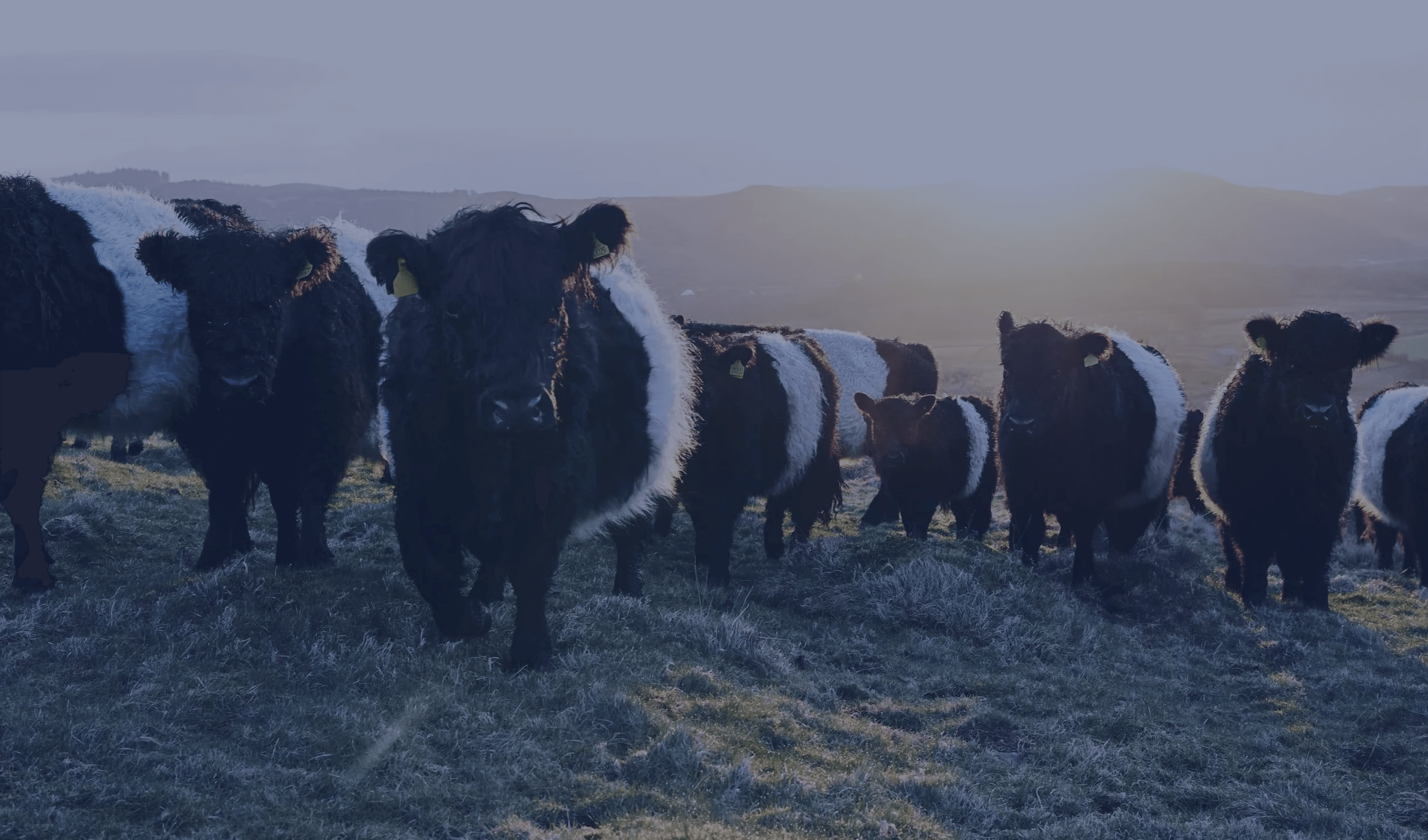
At Buitelaar, we have spent more than 20 years developing a fully integrated dairy-beef supply chain that connects every stage of production, from genetic selection through to rearing, growing, finishing and processing.
Our model has been built around one clear aim: to create a more consistent, reliable and high-performing route for dairy-bred calves entering the beef supply chain.
Today, we work with dairy farmers, calf rearers, growing and finishing farms, processors, retailers and foodservice customers across the UK and Ireland. By bringing these stages together, we offer farmers a structured, secure system, give customers predictable supply, and produce consistent, high-quality beef from dairy-beef animals.
Why Integration Matters
A strong beef supply chain does not happen by accident. It depends on good genetics, strong calf health, the right nutrition, careful rearing, consistent growing and finishing systems, and reliable routes to market.
That is why we have built a system where every stage is connected.
By working across the full supply chain, we can better understand how decisions made early in a calf’s life affect performance later on. We can monitor health, growth and welfare, support farmers with technical advice, and plan supply more accurately for our customers.
For us, integration is about control, consistency and partnership.
It allows us to produce beef that meets customer expectations not once, but week after week.
Built from Practical Experience
Our journey into integrated dairy-beef production began back in 2004, feeding small numbers of calves. Today, we source around 1,000 calves per week and process around 100,000 dairy-beef animals each year, with a significant number fully owned within our system.
That growth has come through learning, investment and a drive to keep improving.
As Adam Buitelaar, CEO of the Buitelaar Group, says:
“The key has been learning from all the holes we’ve fallen in and building a system that works from genetic selection to customer.”
Those lessons have shaped the way we operate today. We do not see dairy-beef as a by-product of the dairy industry. We see it as a specialist supply chain that needs to be managed with the same attention to detail as any other high-quality beef system.
Starting with the Right Calf
The quality of the finished animal starts long before finishing.
We work with dairy farmers to source calves that meet clear standards for weight, quality and health. Calves are sourced through either weekly pricing or a secure contract arrangement, giving dairy farmers a clear route to market and helping us build a more predictable supply chain.
On arrival at our collection centres, calves are weighed and assessed. This early assessment helps us understand the quality and health status of calves entering the system and ensures we can make informed decisions from the beginning.
Colostrum intake is a key focus. Good early-life management has a direct impact on immunity, resilience and future performance, which is why we have invested in ways to assess and understand calf quality from the point of collection, such as ImmunIGY.
By setting clear expectations, rewarding better-quality calves and sharing knowledge, we committed to driving continuous improvement across the dairy-beef supply chain.
Specialist Calf Rearing
Calf rearing is one of the most important parts of our system, providing the building blocks for later life.
The first weeks of life have a major influence on future growth, health and efficiency. That is why we have invested in specialist calf rearing units and brought more of this stage into our own rearing farms.
This gives us greater consistency and allows us to fine-tune nutrition, housing, health protocols and daily management.
“We’ve seen a big difference since we brought the animals in-house,” says Adam. “It’s really about getting the maximum amount of fine-tuning of the animal. Because when you’ve got a Ferrari, it doesn’t mean you can drive 200 miles an hour. You need to be able to understand and handle that machine you’ve got.”
Across our calf rearing farms, calves are fed a high-quality milk replacer developed through our own research and practical farm experience. Feeding protocols are designed to support early growth, health and rumen development before calves transition onto solid feed.
This approach gives calves the best possible start before they move on to the next stage of the supply chain.
Research That Works on Farm
Our decisions are shaped by data, but they must work in real farming systems.
At Long Lane Development Farm, our R&D platform, we test and refine nutrition, health and management protocols so we can understand what makes the biggest difference to calf performance. This research informs everything from milk replacer formulation and feeding plans to health checks and rearing protocols.
The purpose is simple: to turn evidence into practical improvements.
By trialling ideas before rolling them out across the wider supply chain, we can make better decisions, improve consistency and support stronger outcomes for farmers and calves.
Supporting Our Partner Farms
Once calves leave the rearing stage, they move on to partner farms for growing and finishing.
These farms are a vital part of our supply chain. We work with farmers through structured agreements and provide ongoing technical support to monitor performance, welfare, nutrition and health.
Our technical team visits farms regularly, carrying out welfare and health checks, reviewing feeding and management, and helping identify issues early.
Adam describes the team simply:
“We have seven people who go around farms doing welfare checks, health checks and advising farmers on nutrition. They’re also flagging any issues that we might have.”
This support helps farmers make informed decisions and gives us greater visibility across the supply chain. If a group of animals needs more time, or if a health challenge has affected performance, we can identify that early and plan accordingly.
Predictable Supply for Customers
One of the biggest advantages of our integrated model is predictability.
Because we understand the calves, the farms, the feed, the genetics and the performance data, we can forecast when animals are likely to be ready for processing. This helps us supply customers with consistent volumes at the right time of year.
As Adam explains:
“Because we control the system, we can give customers the numbers they need, when they need them — and deliver consistently. It’s no good having the best steak in the world if you only get it once. What matters to us is delivering a really good steak, consistently, so the customer knows exactly what they’re getting every time.”
This consistency is essential for retailers, foodservice customers and consumers.
It means we are not relying on chance. We are working from a planned, measured and supported supply chain.
The Strength of Dairy-Beef Genetics
Dairy-beef animals offer a strong opportunity when they are managed properly.
By starting with a consistent dairy cow base and using proven beef genetics, we can produce animals with more predictable traits for growth, feed conversion and eating quality.
“With dairy-beef, you start from a much more consistent genetic base,” says Adam. “You’ve got a dairy cow with more predictable traits, artificially inseminated with proven beef genetics, specifically chosen for feed conversion and eating quality.”
Processing with Purpose
The final stage of the supply chain is processing, where our ability to understand the history and performance of animals becomes especially valuable.
Because we know where animals have come from, how they have been reared and how they have performed, we can select and batch animals to suit different markets and customer requirements.
For example, this may include animals from different production systems, such as cattle from more extensive or regenerative farming models.
This level of visibility helps us create products that meet specific customer needs while supporting a more efficient and reliable supply chain.
A Supply Chain Built on Partnership
Our model only works because of the farmers, teams and customers involved at every stage.
Dairy farmers produce quality calves. Our collection and rearing teams give them the right start. Partner farms grow and finish them with care and attention. Our technical team supports health, welfare and performance. Our processing and commercial teams help match supply with customer demand.
Each stage matters.
For us, integration is not about doing everything alone. It is about building a connected system where everyone understands their role and the value they bring.


